Rabbi Akiva’s Seder Table: A lesson in Positive Psychology

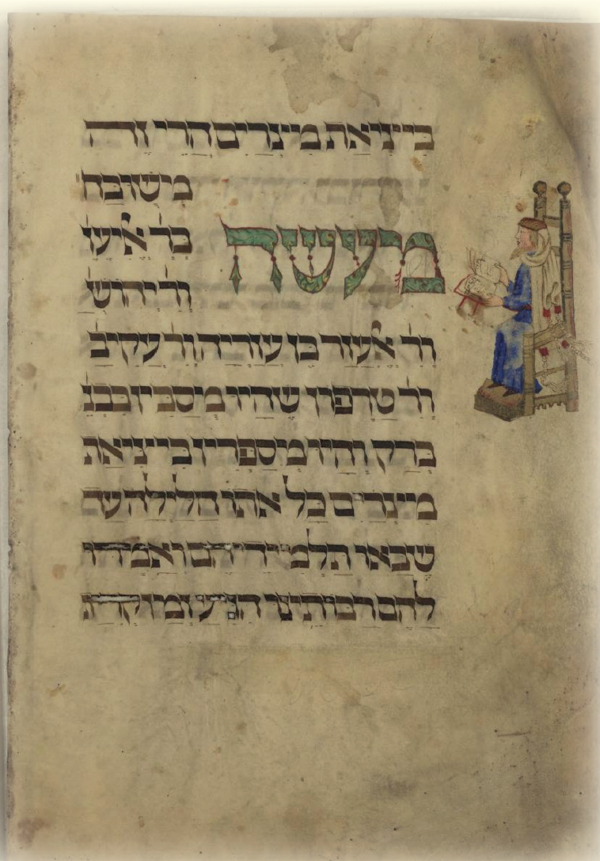
While there are several accounts of rabbinic Passover Seder gatherings, the most famous of these is the one recorded in our Haggadah: the Seder of Rabbi Eliezer, Rabbi Yehoshua, Rabbi Elazar, the son of Azarya, Rabbi Akiva and Rabbi Tarfon. They were reclining at the Seder service in B’nei Brak, and had spent the whole night telling the story of the Exodus from Egypt, until their pupils came and said to them: ‘Our masters, it is time to recite the morning Shema!

This account appears in the Haggadot of Geonim, such as R. Amram Gaon, and the Haggadot of Rishonim, including that of the Rambam (Hilchot Chametz u’Matza Nusach Haggadah), Tosafot, (Ketubot 105a, s.v. de-chashiv) and the Ritva.
AMIT Launches $10 Million Capital Campaign

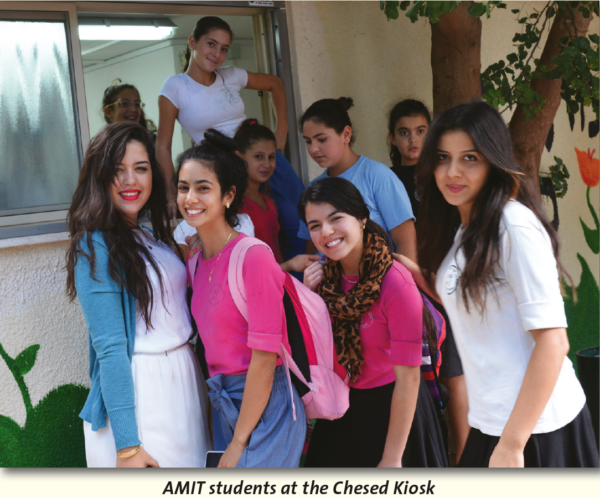
For the past thirty years, AMIT Frisch Beit Hayeled and AMIT Kfar Blatt have reflected the very worst and best parts of Israel. Children come to Beit Hayeled escaping from the worst possible circumstances. They leave homes where beatings, sexual abuse, mental cruelty, alcoholism, and neglect are a way of life. To stay is impossible, and children as young as five no longer have a place to call home or anyone to love and help them.

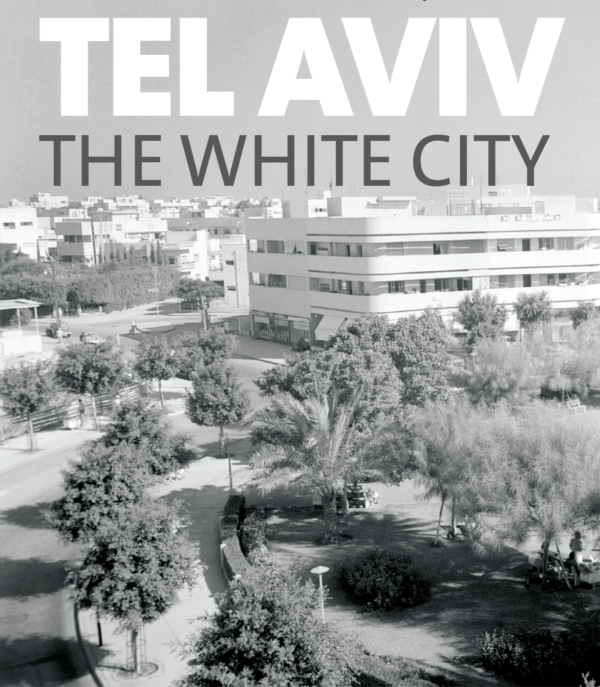
Tel Aviv The White City

Behind the facades and hidden in plain sight are the buildings that are the founding structures of Tel Aviv. These seemingly insignificant white houses, factories, hotels, and cinemas are part of one of the 20th century’s most important trends and esthetic styles: Bauhaus. And, Tel Aviv has nearly 2,000 white Bauhaus buildings, the highest concentration anywhere in the world.

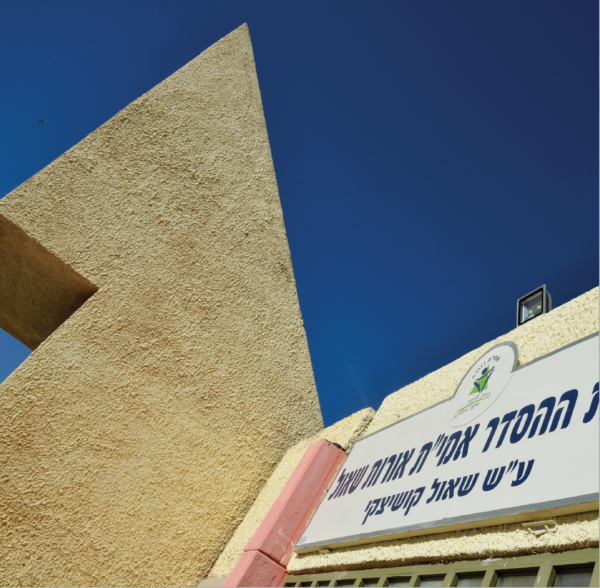
AMIT Orot Hesder Yeshiva Atkfar Batya

At the AMIT Orot Shaul Hesder Yeshiva in Ra’anana, Rav Yuval Cherlow is teaching the morning Torah class to first year students. As he rounds up his discussion of the prophet Amos, he raises questions related to ethics, Judaism and the modern era. “Is it possible to have a code of ethics for the Internet? How does Judaism deal with such issues? Can one draw up a code of ethics that balances Jewish halacha and the modern world of communications?” The questions are complex and do not always have an easy answer, but they reflect the ethos that is helping to make AMIT Orot Shaul an attractive place of learning for young boys who wish to pursue both in-depth Torah studies and make a contribution to Israeli society.

Lessons My Grandfather Taught Me

I never met my paternal grandfather, Rabbi Elazar Mushkin, after whom I was named. He died five years before I was born, and I was born on the anniversary date of his burial. But I felt from the earliest childhood that my grandfather was present, teaching me the values that helped shape my life.

Project Based Learning

This past summer, a distinguished group of AMIT principals, teachers, and administrators attended PBL World in Napa, California. PBL World is the prestigious annual conference presented by the Buck Institute for Education. The conference is devoted exclusively to Project Based Learning (PBL), an innovative approach for teaching and learning in the 21st century.

Marty Glickman – Brooklyn To Berlin To Broadcasting

When Marty Glickman awoke in Berlin’s Olympic Village on the morning of August 8, 1936, he thought ahead to the race he’d be running that day in front of more than 100,000 spectators… He imagined taking the baton from his teammate Sam Stoller and sprinting down the backstretch, running clear of the competition, and handing the baton cleanly to Foy Draper. A dominant victory for the U.S. in the semi-final 4×100-meter relay would be a prelude to their gold medal run in the finals a day later.

AMIT In Hatzor Haglilit

Between Israel’s eight-week summer vacation and the Yom Kippur through Simchat Torah break, students at the AMIT Hatzor Haglilit complex of schools, like other Israeli kids, didn’t see much of the inside of a classroom until the end of September.

Herod the Great: The King’s Final Journey

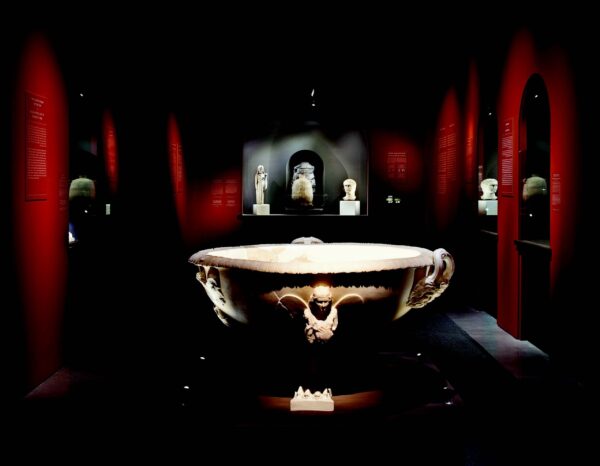
“Herod the Great: The King’s Final Journey,” currently showing at the Israel Museum, seeks to reexamine and contextualize the history and legacy of King Herod (73 BCE – 4 BCE), who ruled Judea from 37 BCE until his death. This is the largest architectural exhibit ever undertaken by the Israel Museum, which seems appropriate: Herod was one of the great builders of all time; his structures – which include Masada, the Second Temple in Jerusalem, the Herodium palace, and the town and port of Cesearea – form the backdrop of seemingly every storyline of 1st Century Judea