If I Forget Thee, O Uruk? Eicha and Its Historical Context

The ritual and theological nadir of the Jewish year comes, surprisingly, in what is often the happiest time for most, the summer. Every year, when the sun shines brightest and masses of people are spending time at the local beach, Jews withdraw for three weeks from leisure activities to prepare for the ultimate day of Jewish mourning. Tisha B’Av is the time we mourn the destruction of the first and second Temples in Jerusalem and take an introspective look, both on the personal and national level, at our efforts to merit its rebuilding.


Reflecting On Our Past

“How was the AMIT trip to Poland?” I have been asked this question many times since I returned a few days ago. Each time, before answering, I have an instant flashback of some moment that affected me in a way I don’t think I’ll ever forget—a moment that is difficult to find the words to describe. And I find I can answer in a positive way or a negative way.

Dottie, Edna, and Bea

The famed and fabled Algonquin Round Table sparkled throughout the 1920s as the height of New York sophistication, a colorful cast of playwrights, authors, critics, and columnists. And in the mostly male company, that included the likes of Alexander Woollcott, Robert Sherwood, Robert Benchley, Heywood Broun, Harold Ross, George S. Kaufman, and Franklin Pierce Adams, three Jewish women sat as equals, matching wits and talent: Dorothy Parker, at the time a Vanity Fair staffer and freelance poet; Edna Ferber, novelist, and short fiction dynamo; and Beatrice Kaufman, editor, playwright, fiction writer, and wife of George S.

Meet Me in St. Louis

By Helga Abraham A group of feisty girls from AMIT Kamah Junior and Senior High School have put the town of Yerucham on the map by winning the FTC (First Tech Challenge) National Robotics Competition and representing Israel at the world championship in St. Louis, Missouri. As the girls entered their second year of robotics…

Amanda Kornblum Reflecting on our Past

Reflecting On Our Past

By: Amanda Kornblum
“How was the AMIT trip to Poland?”
I have been asked this question many times since I returned a few days ago. Each time, before answering, I  have an instant flashback of some moment that affected me in a way I don’t think I’ll ever forget—a moment that is difficult to find the words to describe. And I find I can answer in a positive way or a negative way.

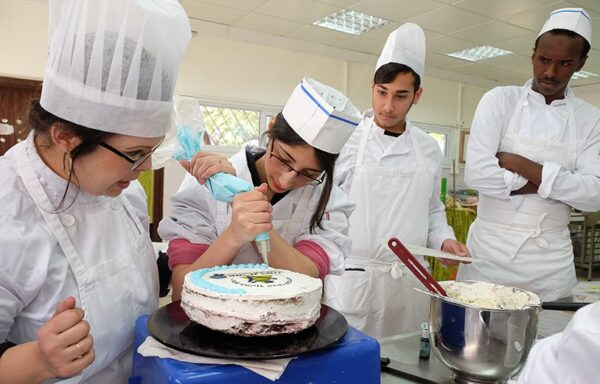
AMIT Ramle Baking Class

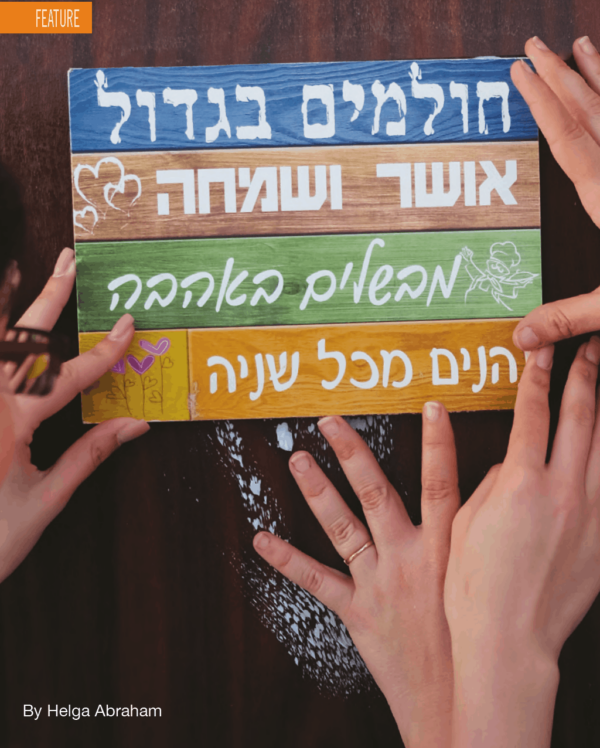
AMIT Ramle: Dream Big

It is hard not to come away from a visit to AMIT Ramle Technological High School without a sense of tremendous admiration for the educational work being carried out there. Reflecting the city’s mixed ethnic and low socioeconomic background, the student population consists entirely of young people with multiple needs – emotional, psychological, financial and physical. “We do not accept good students,” affirms principal Yizhar Afgan, “we only accept students with special needs or difficulties.”

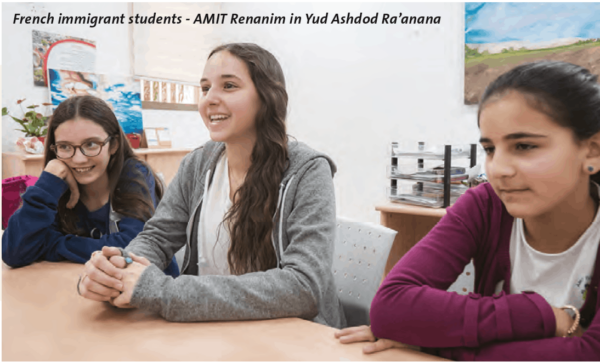
Je Suis AMIT

When Joseline Rotstein, a new immigrant from France, was contemplating her family’s move to Israel, her top priority was finding a community where her teens would flourish.

“We decided to move to Ra’anana because of the good schools,” Rotstein said, referring to the quiet suburb of Tel Aviv her family has called home for almost a year. “Everyone said AMIT Renanim Junior and Senior Science and Technology High School for Girls was the place for new immigrants, so that’s where I enrolled my daughter Yona.”

A Matter Of When, Not If

About a year ago, I observed the model lesson of a prospective middle school Gemara teacher at the school I lead, Westchester Day School. Being the week before Pesach, the teacher naturally focused the lesson on the chag. He began with the quote from Parshat Bo (13:14) that is the basis for the simple son’s question at the Seder: “Vihaya ki yishalcha bincha machar leimor ma zot…(And when your son asks you tomorrow what is this all about…)..” The context in the Torah of the simple son’s question is the mitzvah of Pidion Bechorim (redeeming the firstborn). His question, basically, seeks the reason for this mitzvah, and the answer given is that it is because the firstborn Jewish males were spared in the plague of Makat Bechorim (Ibn Ezra, among others).

AMIT Ramle: Dream Big, Joy And Happiness, Cooking With Love, Enjoy Every Moment

It is hard not to come away from a visit to AMIT Ramle Technological High School without a sense of tremendous admiration for the educational work being carried out there. Reflecting the city’s mixed ethnic and low socioeconomic background, the student population consists entirely of young people with multiple needs – emotional, psychological, financial, and physical. “We do not accept good students,” affirms principal Yizhar Afgan, “we only accept students with special needs or difficulties.”