

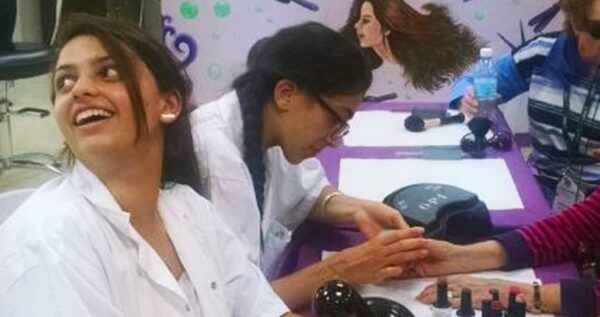
AMIT Fred Kahane Technological High School, Ashkelon
AMIT Fred Kahane is a technological high school that offers a second chance to students who have not succeeded in academic schools.
AMIT Fred Kahane is a technological high school that offers a second chance to students who have not succeeded in academic schools.
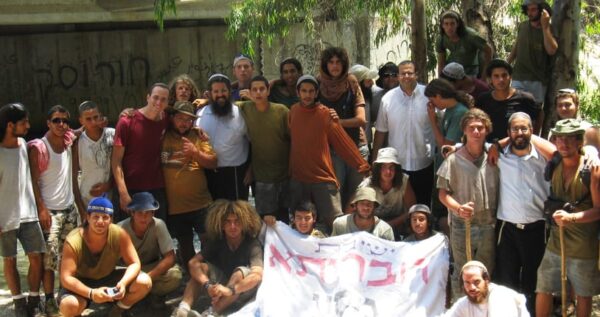
Rather than force students into existing definitions, the school’s philosophy and educational approach is to nurture them while facilitating the development of their many intelligences.

Midreshet AMIT is a unique gap-year program in Israel that gives young women the opportunity to develop intellectually while exploring their Jewish identity through serious learning, meaningful volunteer work, and a true Israel experience.

AMIT Tzfat High School for Girls provides a quality education for 400 girls in grades 7–12. In addition to Jewish and general studies, the subjects offered are communication and film, law, physics, biology and medicine.
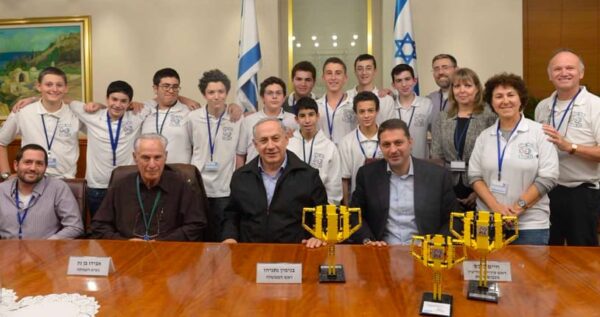
The school’s motto—Learn, Experience, Believe—is brought to life on a daily basis through the academic programs, arts classes and Judaic study opportunities offered to the students.
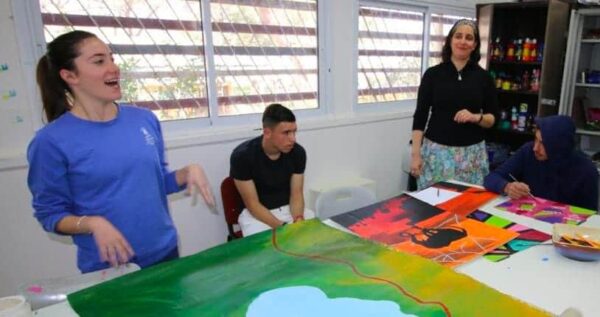
Students at Elaine Silver have struck out at other more conventional high schools, where they were deemed to be disruptive or sub-par academically. AMIT Elaine Silver gives these kids a last chance to turn their lives around, choosing academic success over the allure of the street and its many dangers.
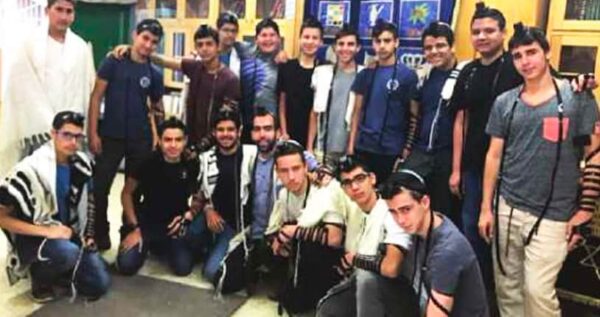
AMIT Yehuda is the only religious high school in Afula, with a student body of 300 boys from the city and its periphery. It educates teens from strictly observant homes and traditional homes, as well as those from unobservant homes who choose to have a religious high school experience.
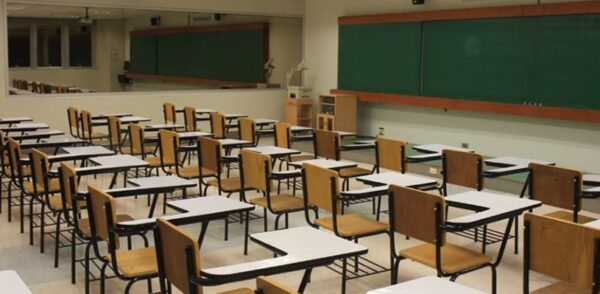
There is no debate that the quality of teachers is the most important factor in the success of the educational system, and it is, therefore, crucial that we lead a change that will attract the best to the field of education. In a recent study, Israel’s National Bureau of Statistics found the average score of teachers on the psychometric exam to be below the national average (545).
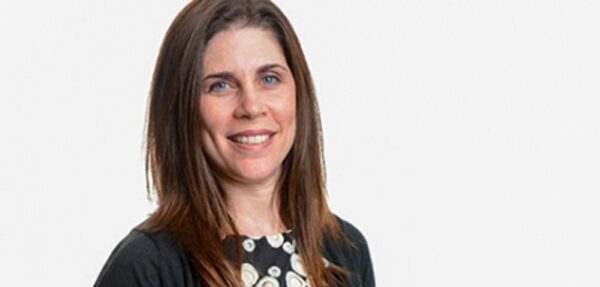
In the beginning of July, I had the opportunity to visit AMIT’s center for educational innovation, GOGYA, located in Ra’anana, Israel. The name “GOGYA” comes from the word “pedagogy,” and the GOGYA center is where principals and teachers from the AMIT schools gather to reimagine education for the 21st century.
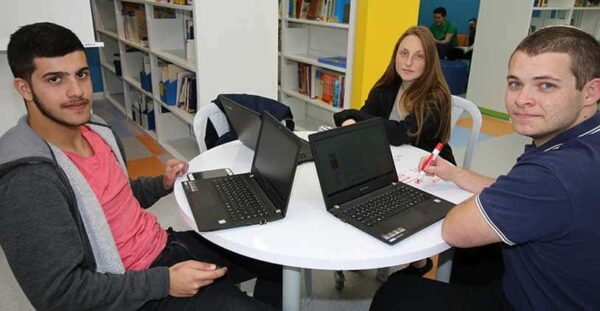
Studying for the bagrut exams is a rite of passage for most Israeli teens, as they know it will pave the way for their path to higher education. Many study on their own or with friends, some hire private tutors while every year about 6,000 Israeli teens get assistance through a virtual program called Nachshon.