
Marty Glickman – Brooklyn To Berlin To Broadcasting

When Marty Glickman awoke in Berlin’s Olympic Village on the morning of August 8, 1936, he thought ahead to the race he’d be running that day in front of more than 100,000 spectators… He imagined taking the baton from his teammate Sam Stoller and sprinting down the backstretch, running clear of the competition, and handing the baton cleanly to Foy Draper. A dominant victory for the U.S. in the semi-final 4×100-meter relay would be a prelude to their gold medal run in the finals a day later.

Details

Herod the Great: The King’s Final Journey

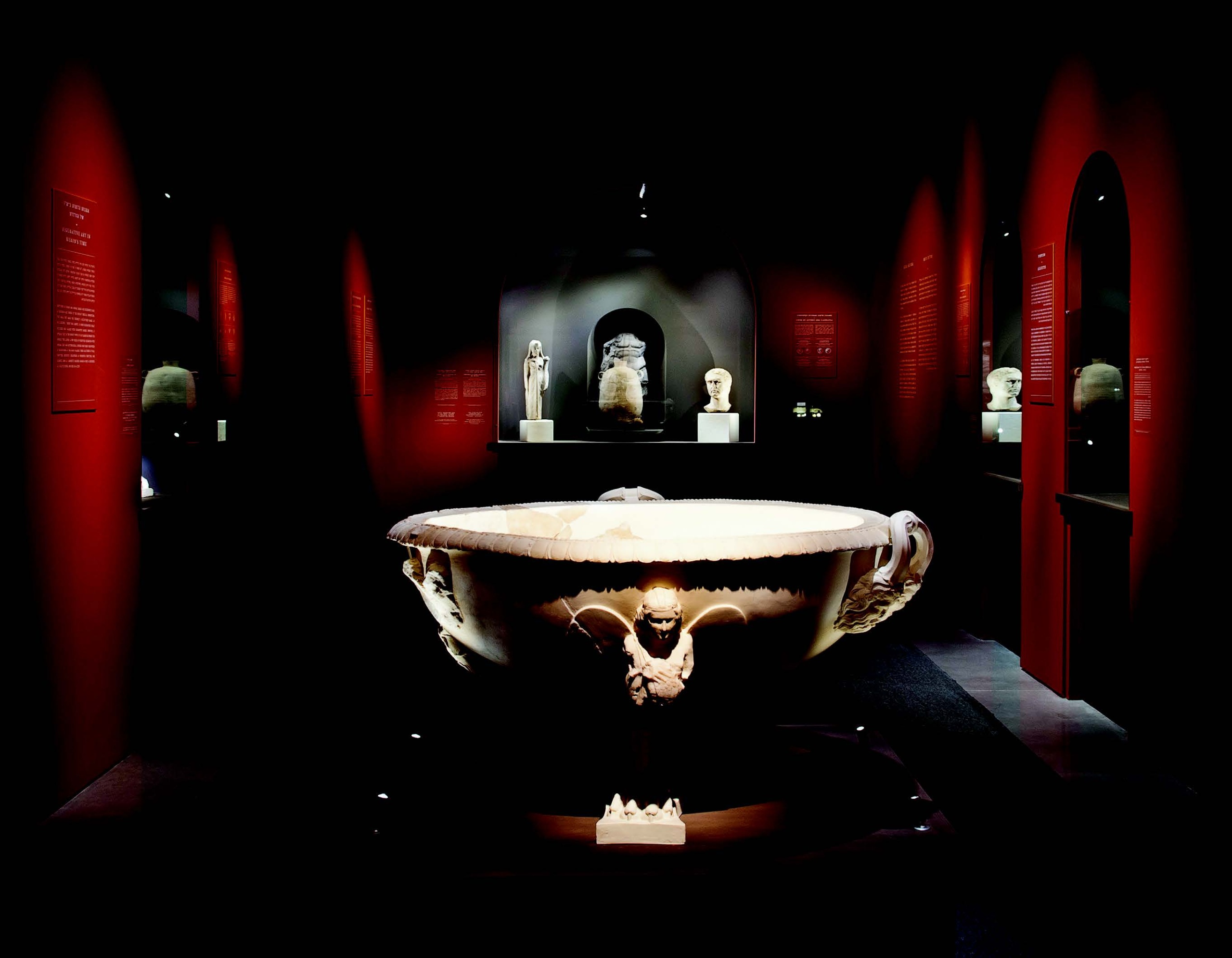
“Herod the Great: The King’s Final Journey,” currently showing at the Israel Museum, seeks to reexamine and contextualize the history and legacy of King Herod (73 BCE – 4 BCE), who ruled Judea from 37 BCE until his death. This is the largest architectural exhibit ever undertaken by the Israel Museum, which seems appropriate: Herod was one of the great builders of all time; his structures – which include Masada, the Second Temple in Jerusalem, the Herodium palace, and the town and port of Cesearea – form the backdrop of seemingly every storyline of 1st Century Judea

Details

Every Person Doing Right In Her Eyes

Should we determine for ourselves what is right and wrong, or should we ask society to do it for us? Most of us probably would immediately vote for the former. We highly value our autonomy and personal freedom and do not want others making these important decisions for us. And yet, without laws that embody a sense of right and wrong, we would have chaos and anarchy. How are we to balance the needs of the society with the rights of the individual?

Details

Abilities Are Stronger Than Disabilities

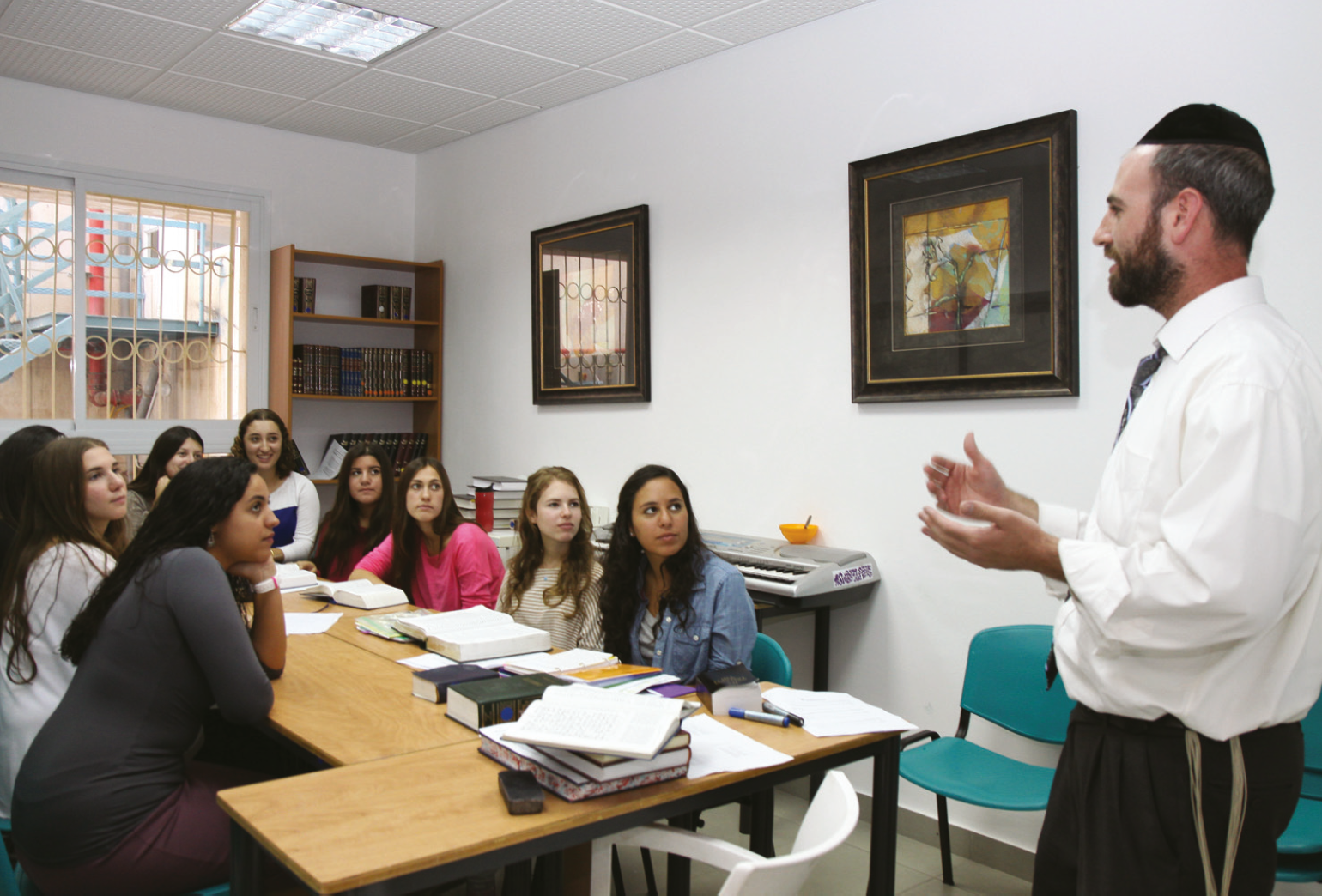
By the end of the school year, not many high school students have the desire to sit and study in a classroom while the sun is shining outside, but the six young men learning about the Israeli economy in a bright classroom at Yeshivat AMIT Kfar Ganim in Petach Tikva were fully focused on their teacher just three weeks before the start of summer vacation.

Details

A Tree Grows In A Jewish Soul

This year, on Shabbat Parshat Beshalach, we celebrated Tu b’Shvat, which the first Mishnah in Masechet Rosh Hashana calls the “New Year for Trees.” While the holiday of Tu b’Shvat might be agricultural in nature, our Rabbis have always connected trees to spiritual growth. One such example is found in Parshat Beshalach where we find a tree playing a critical role.

Details

AMIT A Guiding Light (Camera And Actions) In Or Akiva

ETTI LAREDO, THE PRINCIPAL OF AMIT ATIDIM JUNIOR and Senior High School in Or Akiva, was wearing a proud grin. In her office was Dana Maman, a student who only three years earlier rarely attended school. “I would sleep all day and I just didn’t care about school. When I did come, the kids would give me a standing ovation,” Dana said, biting her lip in embarrassment. Dana, now 18, is about to join the army. A film she co-produced with two other students while enrolled in the exceptional film studies program at AMIT Atidim, was chosen to compete in the International Film Festival in Hollywood.

Details

Charleston, South Carolina: America’s Land Of Milk And Honey

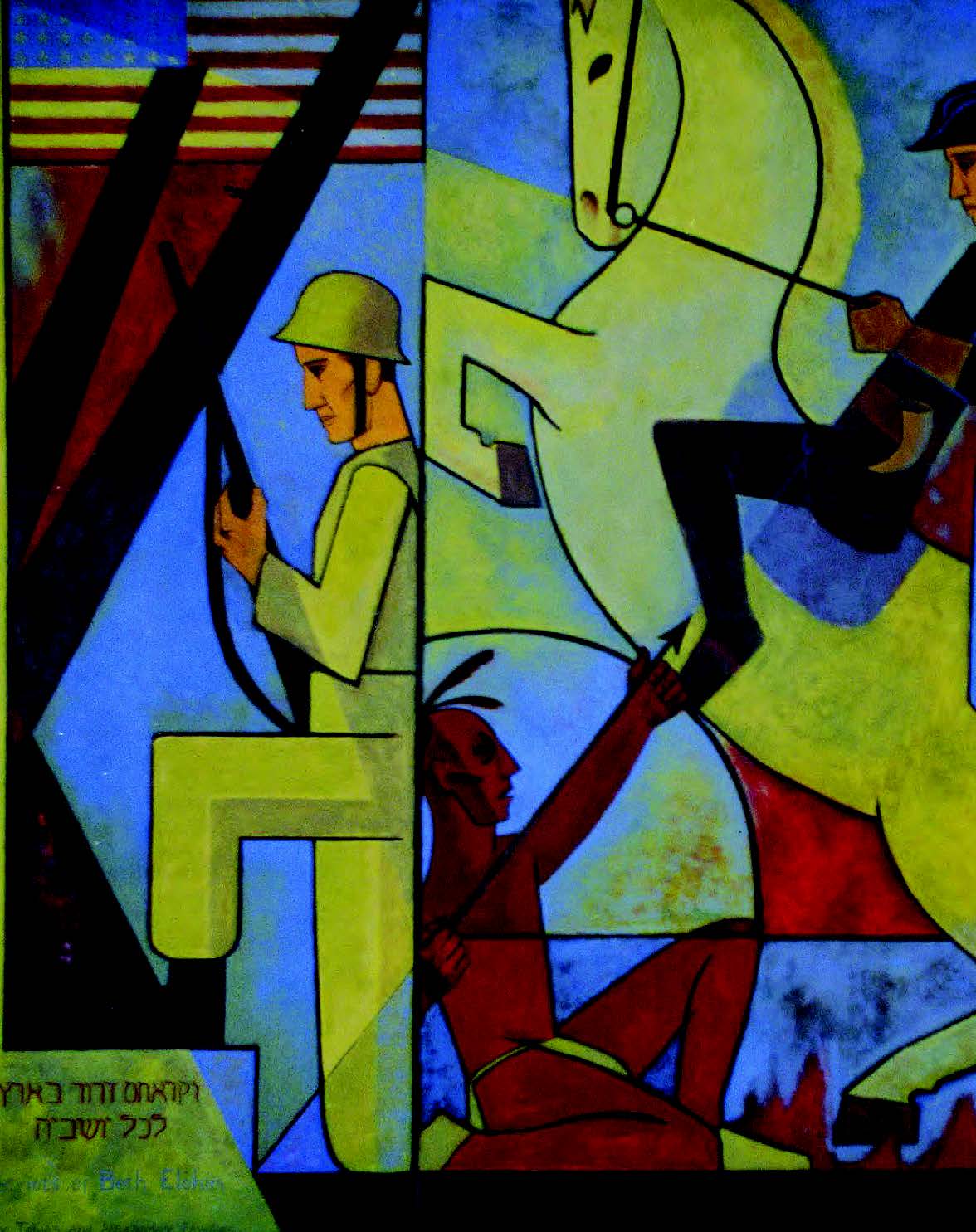
When Abraham Moise was a young man, he sailed from France to the West Indies, where he became a trader and a merchant. There, he met a beautiful woman 26 years his junior, a native who lived in an affluent Jewish community. They married and established themselves on a small plantation in San Domingo in what is now Haiti. Soon, the slaves in San Domingo began to revolt, and violence broke out against the French aristocrats. The colony began to collapse, and the Moise family was forced to leave their possessions and sail to America. Abraham and Sarah Moise arrived in Charleston in 1791 – one of the oldest Jewish communities in America. Charleston was a natural port, and its location attracted merchants and traders from all over the world. At the time, there were 53 families in the congregation at Kahal Kadosh Beth Elohim, and the sizable Jewish community convinced Moise to stay. The family lived in a house on Queen Street, in the heart of the peninsular city, and sold cloth and tea from their home.

Details