
Leaders are made, not born, and come from all over the AMIT map.
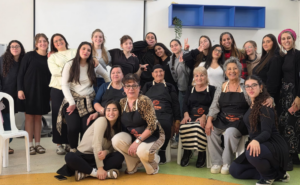
AMIT students from the southern and central regions in Israel recently attended leadership conferences at two AMIT schools: AMIT Ramle Technological High School in Ashdod and the AMIT Kfar Blatt Youth Village in Petach Tikvah.
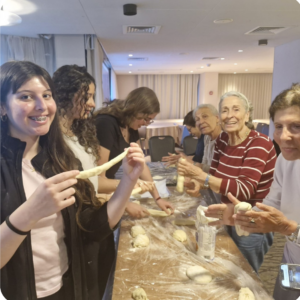
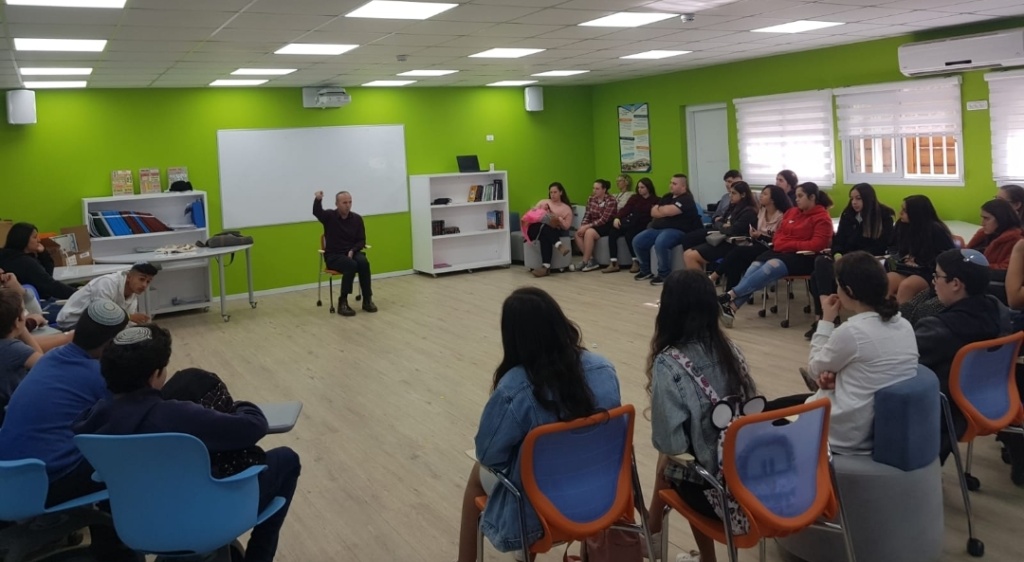
The two schools, both of which target students on the socioeconomic and geographic periphery hosted the regional leadership conferences. About 60 students from leadership councils at other AMIT schools attended each conference where they participated in workshops on mutual responsibility and relationship-building. The students in attendance plan to bring back their newfound knowledge and skills to implement at their own AMIT schools.
During the conferences, the young leaders from AMIT Ramle and Kfar Blatt showed the visiting students their schools’ innovative new learning spaces and shared with them new teaching methods that are being used.
As part of their bonding experience, the students also learned a song in sign language and were filmed for a video marking the 95th anniversary of AMIT’s creation.
The regional student leadership conferences underscore AMIT’s myriad missions: Empowering students who live on the socioeconomic and geographic periphery with the wherewithal they need to become leaders in their own lives and leaders for the State of Israel, and learning relationship-building, a key component in AMIT’s values, to care for one another and for Klal Yisrael.
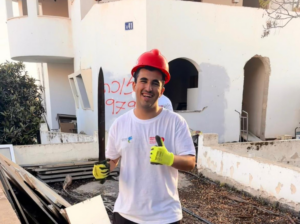
Yunus A., one of the young leaders from Kfar Blatt who is also as a counselor at Beyachad, a youth group founded by Kfar Blatt alumnus Barak Avraham, introduced them to that youth group. He explained how the group develops a sense of personal and communal responsibility in participants.
Elyaniv A., a student at AMIT Ramle, said it was a very positive experience to host students from the southern region for a day devoted to leadership and bonding. “It was great to get to know new friends and to plan together how to transform slogans about social involvement and mutual responsibility into action,” he said.