

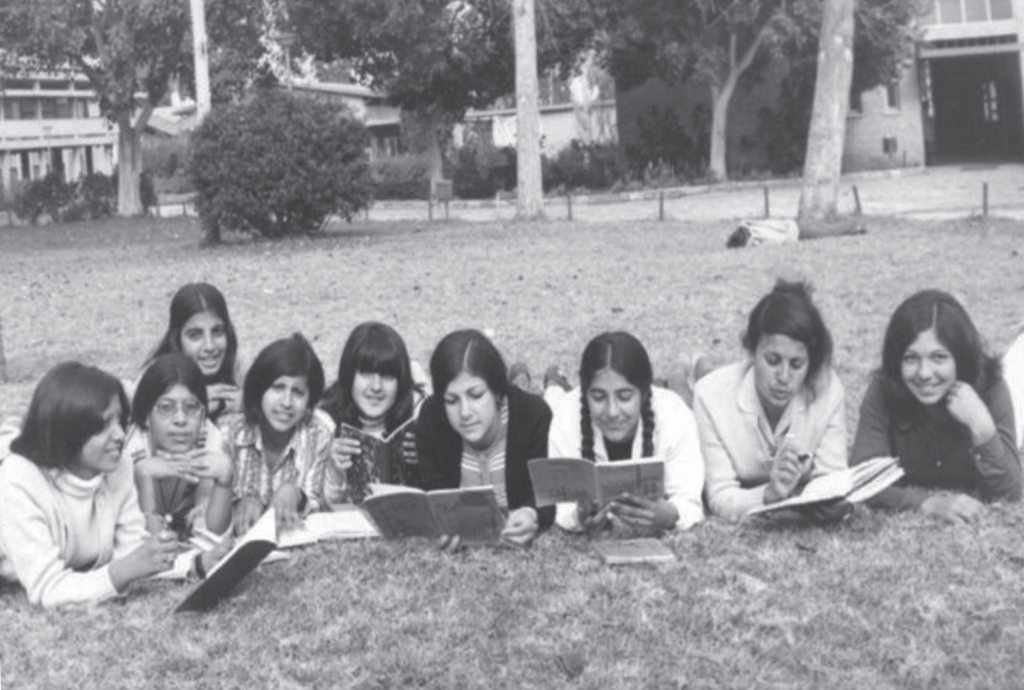
AMIT’s first vocational school, Beit Tze’irot Mizrachi, opened its doors in Jerusalem in 1933 so Israel’s youth valuable could learn valuable skills and contribute to the development of the country. In the post-WWII era, AMIT expanded, setting new immigrants on a path to success, and cementing its commitment to providing opportunities for children in underprivileged communities.
Today, AMIT counts 8 vocational schools among its broad network of 91 schools. This model is at the forefront of AMIT’s mission to break the cycle of poverty and help students change the trajectory of their futures. Adapting offerings for the modern age, students can gain experience in careers like tourism, industrial management, agriculture, systems engineering, graphic design, photography, electrical, cosmetology/hair, advanced transportation, high-tech, administration and culinary arts. Whether they become proficient in high-tech or master a trade, students graduate with a path to employment.
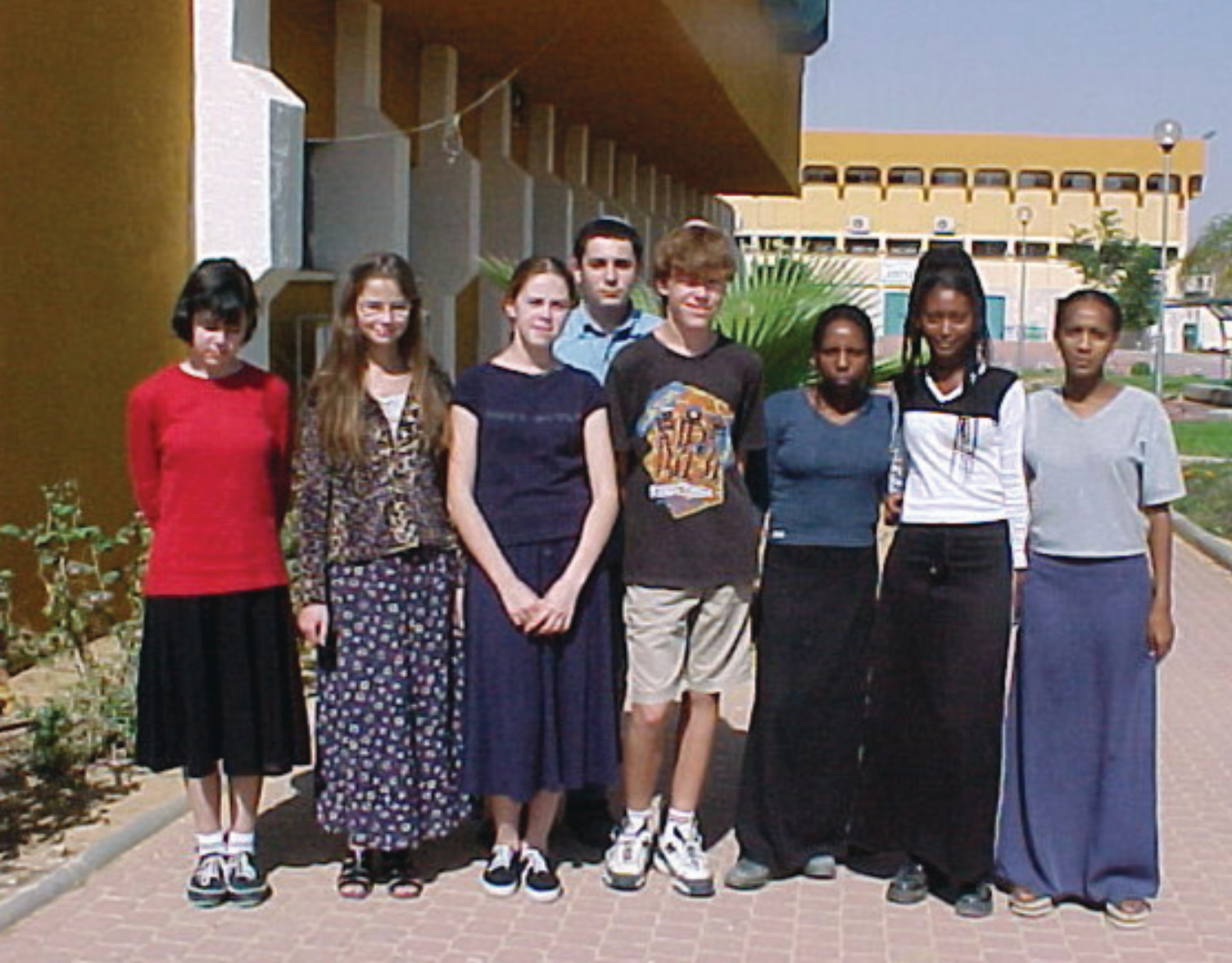
If not for these schools, so many of these young people would end up on the street. We come to them from a place of genuine love and they respond in kind. We fight for them and don’t give up until they succeed
Motti Arbel, Director of AMIT’s Vocational and Residential Schools Community
AMIT’s holistic approach to education and close mentor-student relationship are at the heart of the network, and especially crucial in vocational schools. Educators show them how they can change direction and take pride in their accomplishments. They help students build foundations for fulfilling lives, while developing strength of character based on the Jewish values taught throughout AMIT schools.
Despite their challenging backgrounds, vocational students have a remarkable success rate upon graduation: 68% graduate with basic certificates, 52% with advanced certificates, and 82% enlist in IDF or National Service after graduation, demonstrating the growth that turns these once-troubled teens into triumphs.