

When I was 10, I desperately wanted a dog, but my parents weren’t biting. After some keen strategizing, I concluded that they would have to say yes if I asked for it at the Seder as my afikomen present. I researched dog breeds, pet training and care and made what I was sure was an airtight case. My parents said no. True to form, I stormed out of the dining room and spent the second half of the Seder alone in my bedroom singing the Haggadah very loudly and very annoyingly. Fast forward 50 years, to our family celebrating Passover in Israel. My father-in-law, zichrono l’vracha, at that point, 86 and barely able to walk, jumped up to lead us in a spirited and joyful “L’Shana Haba’ah B’Yerushalayim,” Next Year in Jerusalem dance at the end of the Seder. These are only two of hundreds of Seder memories I treasure.
This past year has been tough all around, but last Passover felt the darkest. It was the first time many of us experienced the Seder with little family or friends. To help fend off the loneliness, AMIT students put together the AMIT Haggadah, a book of Divrei Torah – interpretations of the various passages of the Haggadah. And, because we liked the Haggadah so much, we’ve decided to make it an annual project.
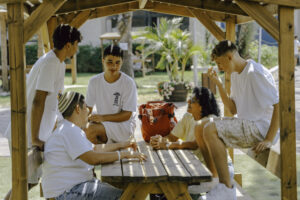
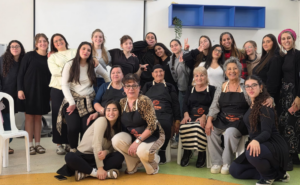
This year’s AMIT Haggadah was put together by students, an almost equal number of boys and girls, who come from all over Israel, physically and demographically. Many students incorporated their experience of coronavirus into various Seder interpretations. AMIT Menorat HaMaor Haredi High School, (which gives boys from a haredi background a solid educational base), describes why 10 plagues were necessary before G-d performed the actual Exodus. Avi (one of four separate writers from AMIT’s technical trade schools) compares the five terms of redemption to the care one should take in speech. Shahar, Rani, and Shani, from our Ulpana in the Shomron, extol Miriam’s virtues in a poetry slam. And last, but first in the book, Dafna from Gould Hallel in Rechovot, connects Miriam’s vision and commitment to the women of AMIT who founded this great network and you, our supporters, who keep it going today.
Please read our AMIT Haggadah V’higadeta L’bincha. Relay what you find interesting and inspiring to those at your Seder table and beyond. My wish for all of us this year is that we are able to enjoy our growing freedom and create beautiful memories of the Seder; that we feel enriched and uplifted by the story and discussion of the Exodus and loved and comforted by the people we share it with.
Chag kasher v’sameach. Happy Passover!