

As we sit around our Seder tables this year, we retell the ancient story of our people’s journey from slavery to freedom. The story of Passover is not just about liberation; it is about resilience. The Israelites didn’t just leave Egypt—they built a future from the ruins of their past. This year, the story feels different. More immediate. More personal.
Last year, many of us placed photos of hostages at our tables—reminders of those who couldn’t celebrate. At my own Seder, I had a poster listing every hostage’s name, with a special seat for AMIT alumna Noa Argamani. This year, nothing brings me more joy than knowing Noa is home, celebrating with her family. But that joy is tempered by heartbreak. The return of the Bibas babies in coffins. The devastating loss of their mother, Shiri. We will find a way to mourn these terrible losses, but instead of wallowing in grief and outrage, we will do what Jews have done for thousands of years—we will rebuild and we will look ahead.
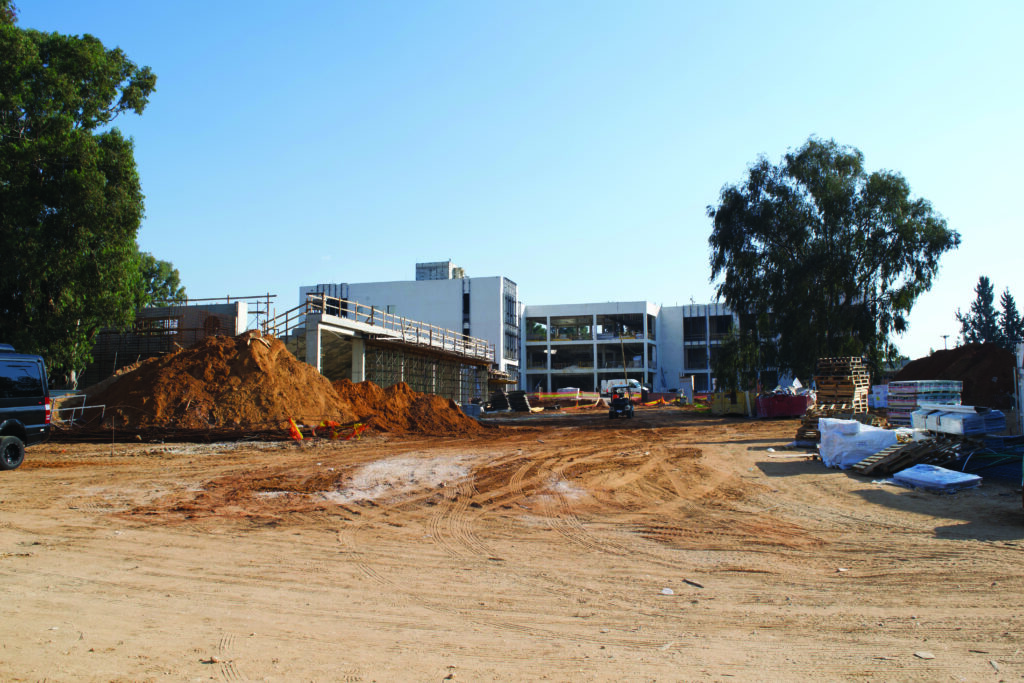
For generations, Jews have rebuilt after tragedy—not just restoring, but reimagining. That’s exactly what AMIT is doing. Our leadership isn’t just helping communities recover; they are building anew. Our director general, Amnon Eldar, now spends one day a week in Sderot, working firsthand to rebuild the shattered education system and community. The Gabel & Straus Family Campus at AMIT Kfar Batya is rising, a symbol of our enduring future. The Evan and Layla Green Family Foundation Gogya Center will be the heartbeat of cutting-edge education, shaping the next generation of leaders.
Passover is a holiday of questions. “Mah Nishtanah? Why is this night different?” But this year, the deeper question is: “How do we move forward?” The answer is in the final words of the Seder: “L’Shanah Haba’ah B’Yerushalayim, Next year in Jerusalem.” Next year, may we be whole. Next year, may we be healed. Next year, may we continue to build.
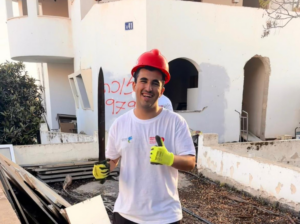
Like our ancestors after Egypt, after exile, after the Shoah—we will not let tragedy define us. We can hold our pain while remaining hopeful, and we can move forward. For me, that hope looks like visiting AMIT’s operations in Sderot, seeing the progress on our Kfar Batya construction, and most importantly, connecting with our faculty, staff and students. These relationships and these projects show that the story of our people is not just about survival—it is about renewal.
This Passover, as we dip our maror in charoset, we taste the bitterness—but we also remember the sweetness that follows. The rebuilding has begun, and as always, we will get there, together.
Shari Safra
AMIT President