
Yet a growing number of Israelis choose to defer service and attend a mechina (pre-army program) for a year before being drafted. There are all kinds of mechinot—religious, secular, all-boys, all-girls, coed—and securing a spot can be competitive. By and large, army officers say students who do a mechina are more mature and more prepared for their army service.
Students who typically attend mechinot come from strong, educated, and financially stable families, where education and personal development are values that are prioritized. It was less typical for AMIT students to attend mechinot, given that many students come from the periphery in Israel, where they experience more challenging socioeconomic circumstances. These students haven’t grown up with the idea of attending a mechina, and many do not have the luxury of taking a year off or meeting the associated cost of a mechina. Some students are already working to provide for their families, or they want to finish their army service as quickly as possible so they can start working full time.
To address these issues, AMIT recently established a mechina during 12th grade, when many students experience a lot of downtime in between matriculation exams.
“The 12th grade is spent focused mostly on passing the bagrut [national matriculation exams],” says Naomi Strauss, AMIT’s specialist in Connections in Israel Society. “There is so much available time, and utilizing our unique mechina program, students can benefit from leadership development, engage with diverse Israeli populations, connect further to our heritage and history, and build their character.”
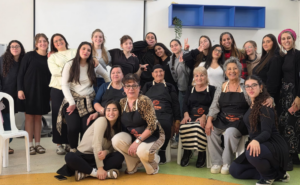
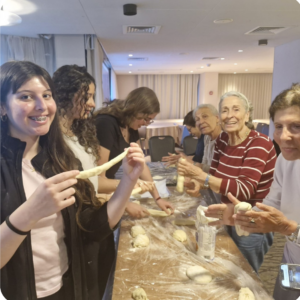
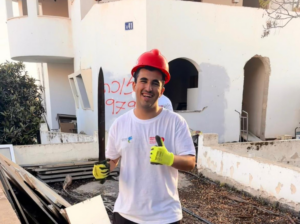
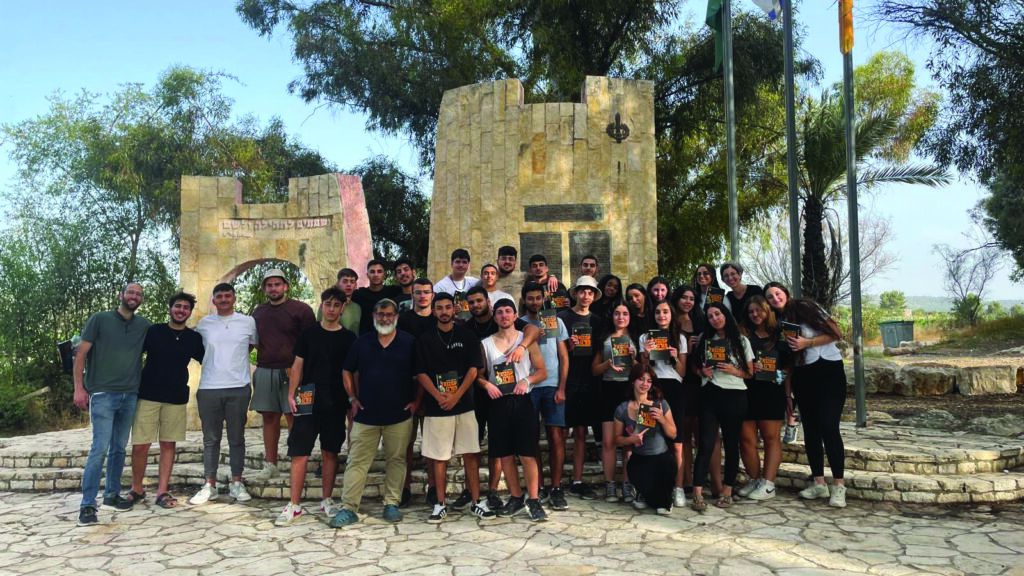
Most mechina programs include a combination of study, volunteering, and trips around Israel. They focus on character-building and strengthening the participants’ bond to the land of Israel and Israeli society. They provide students with the opportunity to be exposed to Israeli society at large, and offer physical and emotional preparation for their army service. AMIT’s mechina program is no exception.
Each school devotes a total of 24 days to the program, which is funded by the schools and run by the students. Each school comes up with its own program, and the students choose how to divide up the 24 days—whether they meet weekly or have several concentrated sessions of four or five full days.
The mechina reflects AMIT’s educational philosophy of student engagement and partnership, helping students become active members in critical decision-making and leadership of their schools. Just like AMIT aims to transition the students from passive recipients of knowledge to active learners who take responsibility for and ownership of their learning process, AMIT does the same in the field of leadership and social engagement. AMIT students do not just run programs; they conceptualize, dream, research, build, develop, adapt, and ultimately, implement their ideas. And of course, like everything run through the AMIT Shalem – Gogya Implementation, students are accompanied and mentored by school-based leaders in the field of Connections in Israeli Society, who themselves receive professional training, mentorship, and guidance from our HQ experts.
The mechina offers students a chance to think about the bigger issues in their lives. There are four fields that each school studies: leadership, service and shlichut (mission and destiny), Zionism and Judaism, and Connections in Israeli Society.
What is unique about the program is that it is organized and run by the students. For the leadership portion, for example, the students at one school may decide to go on a three-day hike. Other students might choose to visit the Knesset (the Israeli Parliament) and meet with today’s leadership to learn about the challenges and opportunities they face regularly in their given roles.
The AMIT mechina program began in 2020
with two schools. This past year, 21 schools—a total of 1,200 students—participated. Starting this fall, all of the network’s schools will participate in
the program.
“Sometimes the education system treats students as passive members,” says David Simchon, head of chevra at the AMIT Network. “This program creates an opportunity for students to take ownership over their character development, leadership skills, and involvement. They choose the best route for their development, and see it through from idea to creation, with the guidance of AMIT staff members who specialize in this area.”
According to Simchon, the mechina also offers a connection to “the broader story of Zionism, Israel, and Jews that will help the students come to the army with more motivation, with light in their eyes, and with a knowledge of why the State is important.”
The programs will have a long-term impact on many AMIT students. In the two years since the program began, there has already been a 24 percent increase in the number of AMIT students attending mechinot after high school.
“This groundbreaking program has the ability to change lives,” says Dr. Amnon Eldar, director general of AMIT. “Mechina programs shape the identity of students and build them up as leaders, increasing their chances of success in their meaningful army service and beyond. Our goal is always to help our students reach and actualize their potential, and I am proud that we can provide this platform.”
The mechina program has already helped students prepare for their army service and has ingrained important values in them. On Hanukkah, just a few months into the war, participants from all of the schools gathered to climb Masada, the symbol of the heroism of the Jewish people in their fight against the Romans 2,000 years ago.
“It’s immensely gratifying to see each one of you not just persevere, but flourish together even in the face of adversity,” said Shari Safra, AMIT president, to the students assembled. Safra was on the Masada trip as part of an AMIT senior leadership mission, along with members of the executive committee and board of directors. “I’m constantly inspired by the unwavering dedication of all our AMIT students, who seize every opportunity to turn their dreams into reality and reinforce Israeli society with their unique talents and skills. Together, we’ll create a vibrant and resilient future, and a country that thrives on the innovation and strength of remarkable young people like yourselves.”