

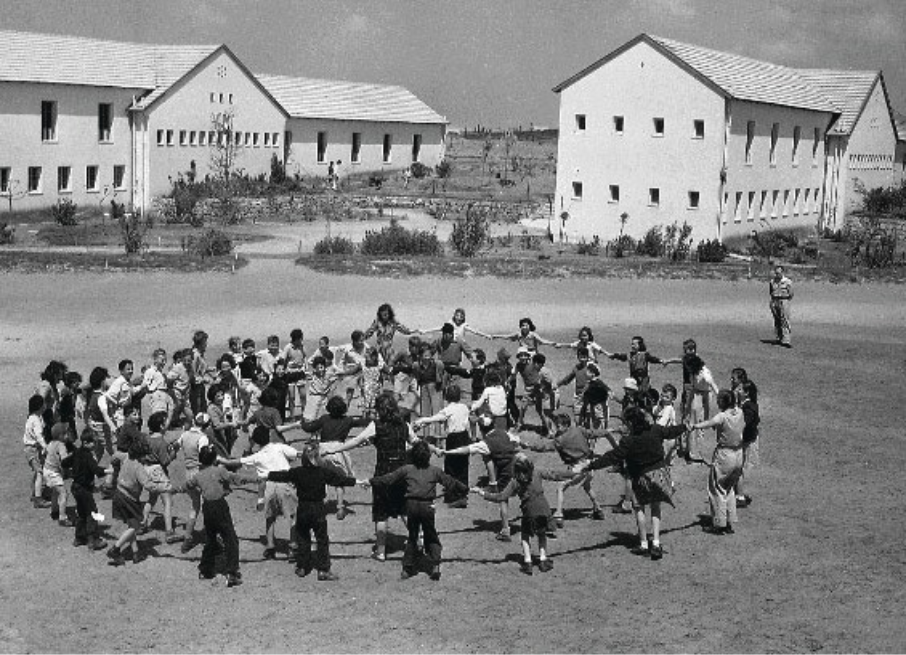
During one of the most challenging times of their lives, these villages offered safety and stability. Within AMIT’s nurturing environment, students found not only a new home, but also a quality education, a caring community, and values that empowered them to build a bright new future.
The Children’s Farm Motza was founded in Jerusalem in 1934 and welcomed children from Tehran. In 1944, the Aliyah Institution in Petach Tikvah and the Mizrachi Youth Home in Tel Aviv opened for children fleeing the Holocaust, taking in some of the 2000 refugees arriving from Eastern Europe. These villages educated the children with religious values and agricultural know-how and embraced them with love and compassion.
The care and attention the children received was lifechanging. AMIT gave a generation of Jewish children the skills and foundation not just to create a future of their own but to be builders of the Jewish nation in the Land of Israel. In various interviews and memoirs, refugees recounted their time at AMIT youth villages with real hakarat hatov, thanks, to Mizrachi Women/AMIT and its founder Bessie Gotsfeld.
Asher Vered, a refugee from Eastern Europe who lived at the Motza, said: “I found a warm and loving home, renewal and prosperity, and a bright and beautiful life. So many of us were in a state of helplessness, with no future, if not for the generosity of the hearts of the women of AMIT.” He later became farm manager and a teacher of agriculture at the Aliyah Institution.[1]
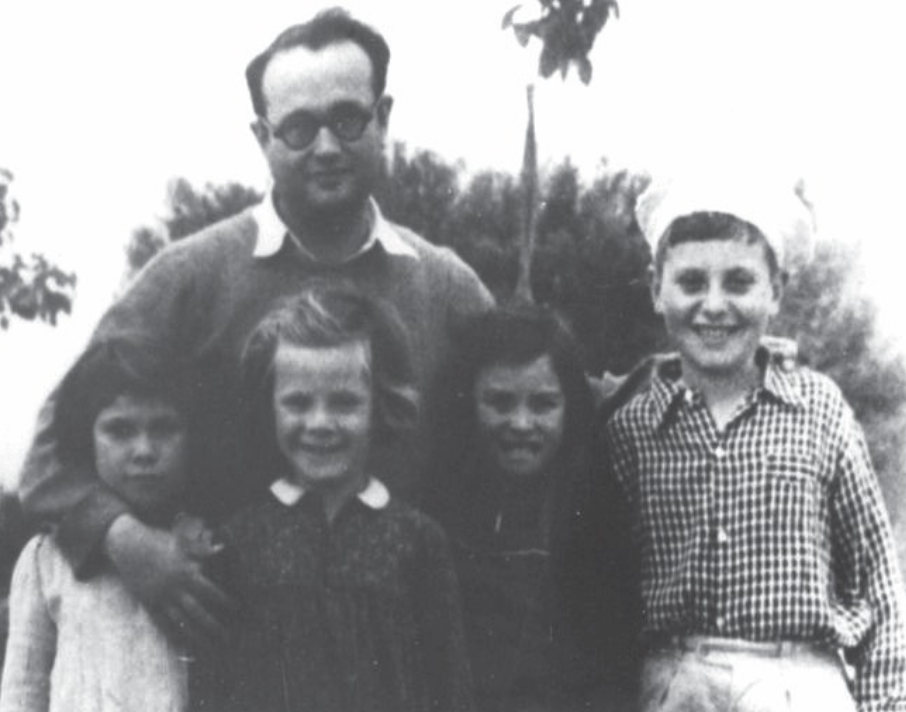
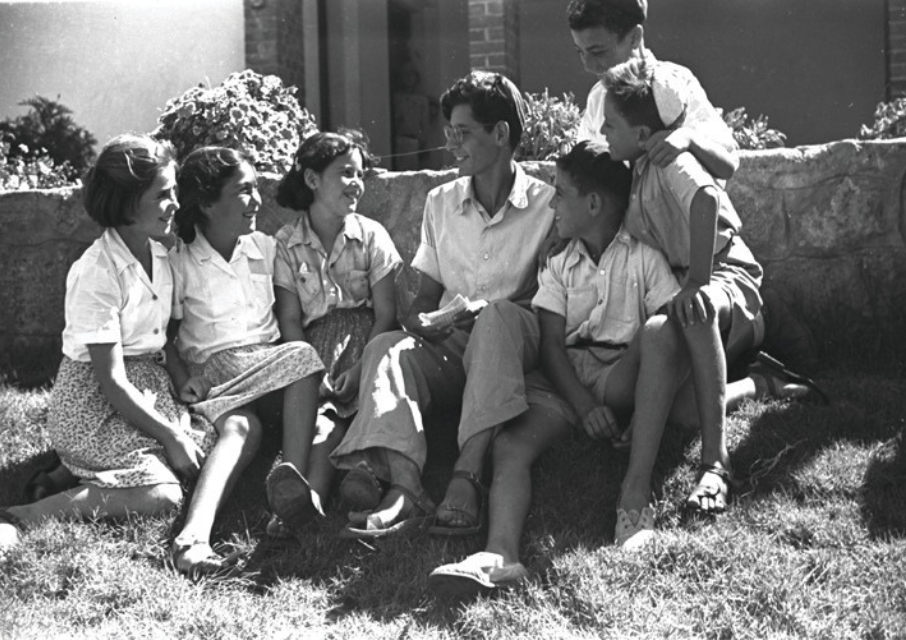
Tzvi Alper came to Mizrachi Youth Home in Tel Aviv in 1944 and remembers, “the warmth and care that was showered on us … It was a real home.” Metuka Alper, from Budapest, arrived at Kfar Batya in 1947 and lived there for 10 years, from age 8 to 18: “We acquired many values in the village—truth and honesty, diligence, order and cleanliness. The Mizrachi Women in America organization was our lifeline.” When the couple married, they invited Bessie to their wedding, viewing themselves as her children and crediting both her and AMIT for the path their lives have taken.[2]
Many couples met at Kfar Batya, some even marrying in the place that served as their refuge. Author Judith Alter Kallman, an orphan and child survivor of the Holocaust, was married at Kfar Batya and walked down the aisle by Bessie herself. (Her grand-daughter Stephanie now works for AMIT.)
As a child, Holocaust scholar Dr. Yaffa Eliach arrived in Israel after WWII and went to live at Kfar Batya. She met and married Rabbi Dr. David Eliach, the director of the village, and together they relocated to the U.S. where he took the helm of Yeshivah of Flatbush High School. Later, Yaffa became a pioneer in her work with Holocaust survivors and was instrumental in establishing the U.S. Holocaust Memorial Museum.
AMIT continued to be a lifeline for immigrants from Ethiopia, Iran, Russia, and France, providing a safe landing, a true home, and a foundation for their futures as they prepared for a new life.
That spirit of inclusion, compassion, and excellence—all immersed in Jewish values—remains the core of AMIT’s mission. As AMIT marks 100 years of building up the children of Israel, Kfar Batya is rising once again as a center for educational innovation on the very land that nurtured thousands and will now empower generations to come.
[1] Memoirs of Asher Vered, AMIT
[2] Memories of Kfar Batya, Metuka Alper, AMIT